Armchair for Home: How to Choose the Right One — A Complete Guide to Sizes, Materials, Styles, and Use Cases
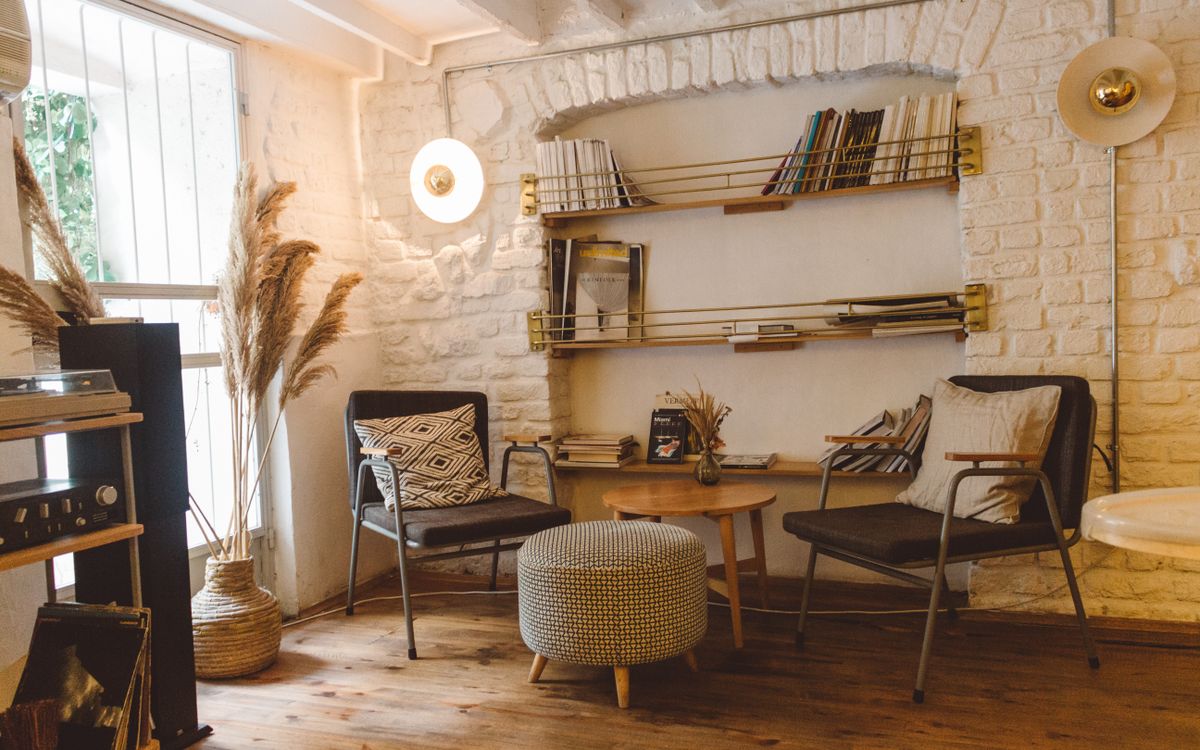
The Short Version
- Size matters: the armchair should fit the room and suit your height — measure the space and pick the right size before you buy.
- Use case: a reading chair, a living room chair, a TV chair, and a chair for elderly people are all different designs with different ergonomic requirements.
- Upholstery material: it affects durability, maintenance, and comfort — fabric, velour, faux leather, and other options each have their pros and cons.
- Fill and frame: spring unit, foam, polyester fiberfill — these determine how long the chair holds its shape and how soft it feels.
- Style and color: an armchair is a statement piece in any room, so it's important to consider the overall style of the space.
- Where to get the best deal: chairs direct from the manufacturer in the Volgograd region cost less than marketplace prices and come with delivery and pay-on-delivery options.
Why you even need a home armchair — and why choosing the right one matters
A home armchair is more than just furniture. It's a place to rest, read, chat, and have a moment to yourself. The right armchair takes pressure off your spine, creates a cozy nook in the living room or bedroom, and becomes a true design element. The wrong one ends up in a corner, gets in the way, and annoys you with its uncomfortable backrest.
The market offers a huge range of models: from compact frameless bean bags to massive power recliner chairs with motorized backrest adjustment. Making sense of all this variety without a clear understanding of your needs is tough. That's exactly why we put together this detailed guide — read it from start to finish or jump straight to the section you need.
How to figure out how you'll use your armchair
Before you choose a home armchair, answer a few key questions.
A comfortable reading chair for home
Reading is one of the most popular use cases. What matters here: a high back that supports your head; armrests at the right height so your arms don't get tired; enough seat depth so you're not perched on the edge. The best options are chairs with an anatomic backrest or a wing-back design that wraps around your shoulders and gives you that cocooned feeling.
An armchair for watching TV
For long TV sessions you need to be able to lean back and stretch your legs. Recliners work great here, or a footstool paired with a regular soft armchair. Seat height should match the height of the screen — sitting too low or too high puts strain on your neck.
A living room armchair in a modern style
In the living room, an armchair more often serves a decorative and social role: a guest sits across from the hosts, conversation flows. What matters here is how it looks, how well it matches the sofa and the overall style, and a moderate level of softness — a chair that swallows you up is awkward for socializing.
An armchair for elderly people at home
For elderly users, the key factors are: a higher seat (easier to get up from), firm armrests (for support when standing), and a stable base with no casters. The fill should be medium-firm — an overly soft chair puts extra strain on the joints when getting up.
Armchair dimensions for home use: how to get it right
One of the biggest sources of disappointment when buying is the chair turning out to be a different size than expected. So before you choose, always measure your space and consider body proportions.
Choosing an armchair for a small room
For smaller rooms (up to 12–14 sq. m), compact models 70–80 cm wide are the way to go. Avoid chairs with wide armrests and chunky legs — they visually eat up the space. A great option is a chair on slim wooden or metal legs: it looks lighter and keeps the room feeling open.
| Chair type | Width (cm) | Depth (cm) | Seat height (cm) | Recommended room size |
|---|---|---|---|---|
| Compact armchair | 65–75 | 70–80 | 42–46 | from 10 sq. ft. |
| Standard soft armchair | 80–90 | 85–95 | 40–45 | from 14 sq. ft. |
| High-back armchair | 80–95 | 85–100 | 40–46 | from 14 sq. ft. |
| Recliner chair | 85–100 | 90–130 (reclined) | 40–48 | from 18 sq. ft. |
| Rocking chair | 70–90 | 100–130 | 40–45 | from 16 sq. ft. |
Please note: the depth listed for the recliner is measured in the reclined position — keep this in mind when planning your layout, otherwise the backrest may hit the wall or block a walkway.
Anthropometric parameters: how to choose based on your height
- Seat height should allow your feet to rest flat on the floor at a 90° angle. The standard is 40–46 cm. For people under 165 cm tall, it's best to choose chairs with a seat height of 40–42 cm.
- Seat depth: your thighs should rest fully on the seat while your back touches the backrest. Too much depth forces you to sit without lumbar support.
- Backrest height: for a high back — 90 cm or more, providing head support. A low back (50–70 cm) works well for decorative accent chairs.
- Armrests: the ideal height is level with your elbows when your shoulders are relaxed, typically 60–70 cm from the floor.
Upholstery materials: what to choose and how to care for them
Upholstery is one of the key factors when choosing a chair for your home. It affects the feel, durability, ease of cleaning, and how the chair will look after a few years of use.
| Material | Pros | Cons | Lifespan | Maintenance |
|---|---|---|---|---|
| Velvet / microvelvet | Soft, pleasant to the touch, holds its shape well | Attracts pet hair, sensitive to moisture | 5–8 years | Brush clean, use a water-free stain remover |
| Jacquard / boucle | Durable, wear-resistant, easy to clean | Can feel rough, less soft | 7–10 years | Damp cleaning, vacuum |
| Faux leather | Easy to wipe down, doesn't absorb odors | Gets hot in summer, may crack after 3–5 years | 3–6 years | Damp cloth, faux leather conditioner |
| Genuine leather | Long-lasting, premium look, easy to clean | Higher price, feels cold in winter | 10–20 years | Special leather care products |
| Flock | Velvety, doesn't build up static | Sensitive to moisture and sharp objects | 4–7 years | Dry cleaning, brush |
| Chenille | Durable, beautiful texture, soft | Can snag threads | 6–9 years | Vacuum, damp cleaning |
Tips for choosing upholstery based on your situation
- Have kids or pets: go with bouclé, jacquard, or faux leather — they're easy to clean.
- Want maximum comfort and warmth: velour or chenille.
- Looking for a sleek, modern look: faux leather or genuine leather.
- Dust allergies: short pile or faux leather — they trap much less dust.
- The chair sits by a sunny window: avoid velour and flocking — they fade; go with jacquard or faux leather with UV protection.
Frame and filling: what's inside matters
Beautiful upholstery is just the chair's "outfit." Longevity and comfort depend on what the frame and filling are made of.
Frame types
- Wooden frame (solid wood or plywood) — a classic choice, reliable, holds its shape well, and can be repaired. Look for frames made from birch, pine, or beech.
- Metal frame — found in modern designer models. Very sturdy, but heavy.
- Combined frame (wood + metal) — the best of both worlds when it comes to strength and weight.
Filling types
- Foam (polyurethane foam): the most common filling. A density of 25 kg/m³ or higher means good durability. Lower density and the chair will sag quickly.
- Spring unit + foam: provides great support and holds its shape longer. Ideal for chairs you spend a lot of time sitting in.
- Synthetic fiber/hollowfiber: used as an extra layer for softness. On its own, it's not a great choice — it compresses and flattens quickly.
- Memory foam: conforms to the shape of your body and relieves pressure. The downside — it's pricier and only really "remembers" your shape with extended use.
Chair styles: how to match your interior
A living room chair is often a focal point of the space. It can complement the sofa or, on the contrary, contrast with it, setting the tone for the entire room.
Modern and Scandinavian style
Key features: slim wooden or metal legs, clean lines, natural tones (gray, beige, white, terracotta). These chairs work great in smaller apartments and studios — they keep the space feeling open and uncluttered.
Classic and neoclassical style
Bold silhouettes, carved wooden legs, upholstery in velvet or chenille in rich colors (emerald, navy, burgundy). These chairs need room to breathe and work best in large living rooms with high ceilings.
Loft and industrial
Metal frames, rough-textured upholstery (burlap, leather), exposed rivets. They pair beautifully with exposed brick, dark wood, and concrete surfaces.
Eclectic and statement pieces
A boldly colored or unusually shaped chair as a focal point in a neutral interior is a tried-and-true designer move. One statement chair in a restrained living room makes more impact than several competing accents.
High-back chairs for relaxation: why it matters
A high-back chair is one of the most ergonomic options for extended rest. The tall back supports not just your lower back, but also your thoracic spine and head — which is especially important when reading or watching TV, when you tend to tilt your head back or crane your neck forward.
What to look for when choosing a high-back chair:
- Lumbar support or a noticeable curve in the lower back area.
- Headrest height — it should cradle the back of your head, not your neck.
- Backrest recline angle — between 100° and 110° is considered ideal for relaxation.
- Backrest width — it should wrap around your shoulders without squeezing them.
Common mistakes when choosing a chair
Even seasoned shoppers make mistakes when buying a chair. Here are the most common ones:
- Mistake 1: buying by eye without measuring the room. The chair arrives home and turns out to be too big — it blocks a walkway or doesn't fit in the nook.
- Mistake 2: focusing only on looks. That gorgeous chair from the photo turns out to be stiff, uncomfortable, or way too low.
- Mistake 3: not checking foam density. Low-density foam loses its shape within 6–12 months and the chair starts to sag.
- Mistake 4: choosing an overly soft chair for elderly users. Getting up from a very soft chair is a real struggle and puts strain on the joints, increasing the risk of falls.
- Mistake 5: overlooking the leg material. Plastic legs are cheaper but less durable; wood and metal legs last longer and look much better.
- Mistake 6: buying a chair without thinking about the upholstery in the context of your lifestyle. Velvet in a home with a cat is a recipe for endless frustration.
Practical tips for placing a chair in a room
Even the perfect chair can fall flat if it's positioned poorly. A few tried-and-true principles:
- Keep at least 60 cm of clearance between the chair and other furniture — that's the minimum for comfortable movement.
- Face the chair toward a light source (a window or floor lamp) when using it for reading — it's much easier on your eyes.
- Don't push the chair right up against a radiator — the heat speeds up wear on both the upholstery and the filling.
- Use a bedside chair in the bedroom as a spot for clothes and your morning routine — a compact model 65–70 cm wide fits even in smaller bedrooms.
- In the living room, place the armchair at a 45° angle to the sofa — this creates a sense of conversation and defines the space.
- Add a throw blanket and a decorative pillow — and the armchair instantly becomes a cozy focal point in the room.
Compact upholstered armchair for an apartment: what to look for
A compact armchair is the perfect solution for smaller apartments where every square foot counts. Key things to consider:
- Width no more than 75–80 cm.
- Slim legs (they make the piece feel lighter visually).
- No bulky armrests, or minimalist armrests.
- Light upholstery shades — they visually open up the space.
- Works without an additional ottoman (full leg support without a separate piece).
Browse our current selection of upholstered armchairs in our catalog.
Armchairs from the manufacturer in Volgograd: how to get a great deal
One of the most common questions is where to buy a home armchair in Volgograd for less than on marketplaces. The answer is simple: directly from the furniture manufacturer. When you buy through Wildberries or Ozon, the price includes the platform's commission, shipping through multiple warehouses, and marketing costs. Buying direct cuts all of that out.
«Koroche! Mebel» manufactures furniture in the Volgograd region and sells directly to customers. That means:
- Lower prices than on marketplaces — no middlemen.
- Delivery across the Volgograd region.
- Pay on delivery — you pay only after you've received and inspected the furniture.
- Ability to clarify specs directly with the manufacturer.
- Honest production and delivery timelines with no unpredictable marketplace logistics delays.
You can browse our current catalog and place an order at catalog. We also recommend checking out the dining tables — armchairs are often chosen to go with a dining area.
Caring for your armchair: how to make it last longer
Proper care for an upholstered armchair can dramatically extend its life. A few practical tips:
- Vacuum the upholstery regularly — every 1–2 weeks using an upholstery attachment. This prevents dust and microparticles from building up and breaking down the fabric fibers.
- Treat stains immediately — the longer a stain sits, the harder it is to remove. Use stain removers designed for your specific type of upholstery.
- Flip and fluff removable cushions — this prevents the filling from sagging unevenly on one side.
- Keep out of direct sunlight — use curtains or blinds, especially if the armchair is near a window.
- Deep clean once a year — steam or dry cleaning, depending on the upholstery material.
- Check the leg fastenings every six months — tighten them as needed.
FAQ
What armchair is best for a small room?
For a smaller room (up to 12–14 sq. m), compact models 65–80 cm wide with slim legs work best. Avoid bulky armrests and dark colors — they visually shrink the space.
What's the most practical upholstery material for an armchair if you have kids and pets at home?
Your best bets are chenille, jacquard, or faux leather — they're easy to clean, hold up well against stains, and don't trap pet hair the way velvet or flocked fabric do.
How do you find the right seat height for an armchair based on your height?
The seat should be high enough that your feet rest flat on the floor with your knees at a right angle. The standard range is 40–46 cm. For people under 165 cm tall, 40–42 cm is recommended.
What makes a reading chair different from a regular armchair?
A reading chair features a tall back with head support, a deep seat, and well-positioned armrests. The backrest reclines at around 100–110°, which takes the pressure off your spine during long reading sessions.
Can I order an armchair for home delivery in Volgograd and pay on delivery?
Absolutely. «Короче! Мебель» delivers across the Volgograd region with cash on delivery available. You can place your order through the catalog at shop.koro4e.com.
Why is furniture from the manufacturer cheaper than on Wildberries and Ozon?
When you buy on a marketplace, the price includes platform commissions, warehousing, and marketing costs. Buying directly from the manufacturer cuts out all the middlemen — which is why the price is lower.
What kind of armchair should I choose for an elderly person?
For older adults, the key features are: a higher seat (42–46 cm) for easy standing up, sturdy armrests for support, a stable base without wheels, and medium-firm cushioning — nothing too soft.
How long does an armchair with foam (PPU) filling last?
With a foam density of 25 kg/m³ or higher, an armchair will hold its shape for 5–8 years with regular use. Lower-density foam tends to sag within just 1–2 years.
How do you properly care for a velvet armchair?
Brush it regularly with a soft brush or vacuum it using an upholstery attachment. Treat stains with a dry stain remover — velvet doesn't do well with moisture. Keep it out of direct sunlight.
Can you put an armchair in a bedroom, and how should you position it?
Definitely. A compact armchair around 65–70 cm wide fits beautifully in a bedroom. Place it by a window or in a corner, leaving at least 60 cm of clearance. It's perfect as a morning routine spot or a place to lay out clothes.