Home Dining Chairs: How to Choose the Right One — A Complete Guide to Materials, Sizes & Styles
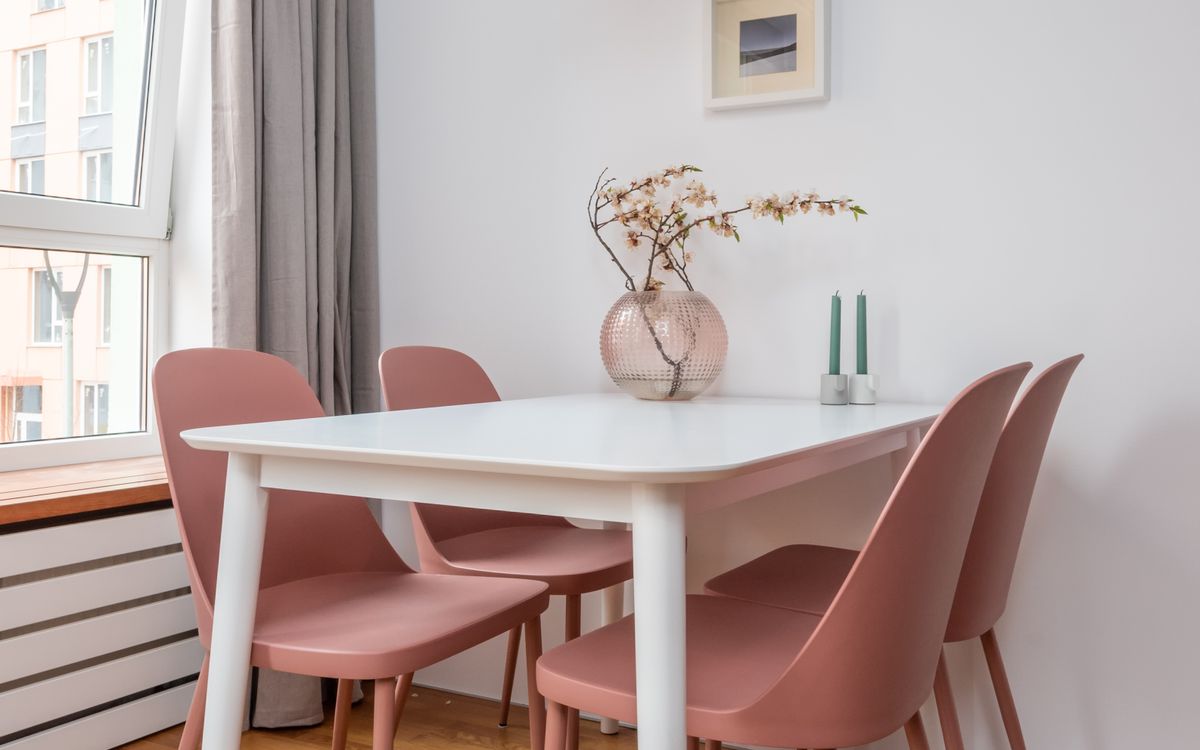
The Short Version
- Seat height should match your table height: the standard gap is 27–32 cm.
- Frame material determines how long the chair lasts: solid wood and metal are the most durable options.
- Padded seat is more comfortable for extended sitting, while a hard seat is easier to clean and holds its shape longer.
- Seat width of 40 cm or more is the comfortable minimum for an adult.
- For a small kitchen stackable or folding chairs work great — they take up almost no space when stored.
- Chairs direct from the manufacturer in the Volgograd region cost less than comparable options on marketplaces, with no markup for shipping or platform fees.
Why choosing the right home chairs matters more than you'd think
Home chairs aren't just something to sit on. They're furniture your family uses every single day — breakfast, lunch, dinner, working from home, entertaining guests. The average person spends 3 to 6 hours a day sitting at a table. The wrong chair leads to back fatigue, neck pain, and general discomfort. Choosing the right chairs for your home is an investment in your whole family's quality of life.
In this guide, we'll cover everything you need to know before buying — from ergonomics and materials to style and real-world practicality.
Ergonomics: how to choose a kitchen chair by size
Before thinking about design, get the dimensions right. Most complaints about uncomfortable chairs come down to a simple mismatch in proportions.
Seat height relative to the table
The golden rule: the difference between your tabletop height and your chair seat height should be 27–32 cm. This is what's known as the "clearance" — the space for your thighs. If it's less than 27 cm, your knees will hit the tabletop. More than 32 cm, and you'll end up hunching over.
- Standard dining table height: 74–76 cm.
- Ideal chair seat height: 44–48 cm.
- For bar-height tables (90–110 cm): you'll need counter-height or bar stools at 60–75 cm.
Seat width and depth
For comfortable adult seating, the minimum seat width is 40 cm, with 42–46 cm recommended. Seat depth: 38–42 cm. A seat that's too deep puts pressure on the back of your knees; too shallow and you can't sit back properly.
| Measurement | Minimum | Ideal | For larger builds |
|---|---|---|---|
| Seat height | 42 cm | 44–48 cm | 48–52 cm |
| Seat width | 38 cm | 42–46 cm | 48–54 cm |
| Seat depth | 36 cm | 38–42 cm | 42–46 cm |
| Back height | 30 cm | 40–50 cm | 50–60 cm |
| Clearance (table − chair) | 25 cm | 27–32 cm | 30–34 cm |
High-back chairs for home
High-back chairs (50 cm and above) support the entire back, including the lumbar region. They're especially great for people who work at a desk or spend long periods sitting at the table. A low back (up to 35 cm) is more of a decorative feature — it doesn't provide any real back support.
Frame materials: what to choose for lasting durability
The frame is the foundation of a chair's strength. The material affects not just longevity, but also weight, maintenance, and appearance.
Wooden chairs for home
Solid wood is a classic. Oak, beech, pine — each material has its own characteristics. Wooden chairs look warm and inviting, blend well with most interiors, and with proper care can last for decades. The main drawback is sensitivity to moisture: in a kitchen with frequent humidity changes, wood can warp or crack.
- Oak — hard, heavy, and resistant to mechanical damage.
- Beech — slightly softer than oak, bends well (used for curved backs), with an even, consistent grain.
- Pine — lightweight and budget-friendly, but soft — scratches easily.
Metal frames
Powder-coated metal holds up well against moisture and physical wear. Metal chairs are easier to wipe down and aren't affected by temperature fluctuations. They're popular in loft and Scandinavian minimalist styles. The downside — they can feel cold to the touch and may scrape noisily when moved across the floor.
Combined solutions
The most popular combination right now is a metal frame paired with a wooden or upholstered seat. This design brings together the practicality of metal and the visual warmth of natural materials.
| Frame material | Durability | Maintenance | Weight | Style |
|---|---|---|---|---|
| Solid oak | High | Wipe with a dry cloth | Heavy | Classic, Provence, eco |
| Solid beech | High | Wipe with a dry cloth | Medium | Scandinavian, classic |
| Pine | Medium | Wipe with a dry cloth | Easy to clean | Country, eco |
| Metal (powder-coated) | Very high | Damp cloth | Medium | Loft, minimalism |
| Metal + wood | High | Combined | Medium | Loft, Scandinavian |
| Plastic | Medium | Easy to clean | Easy to clean | Modern, outdoor |
Soft or hard: how to choose the right seat for your dining table
The debate over whether soft or hard seats are better never really ends. The truth is, it all depends on how you use them.
Budget soft kitchen chairs: pros and cons
A cushioned seat with foam and upholstery makes long meals genuinely comfortable. If your family tends to linger at the table, soft chairs are the right call. That said, upholstered seats do require some upkeep — they absorb odors, and food and grease stains can be tough to remove. The solution? Faux leather or vegan leather upholstery: it wipes clean with a damp cloth and still looks sharp.
- Fabric: soft and cozy, but a pain to maintain.
- Faux leather: easy to wipe down, moisture-resistant, wallet-friendly.
- Genuine leather: premium look, built to last, pricier.
- Velvet: gorgeous, but shows every mark — not the best pick for a kitchen.
Hard seats: when they make sense
Hard wooden seats are easier to wipe clean, don't absorb odors, and hold their shape longer. For busy families with kids, they're often the smarter choice. Add removable tie-on cushions and you get the best of both worlds — easy to take off and toss in the wash.
Durable chairs for everyday use: what to look for
When buying chairs for your home, it's worth thinking beyond looks and considering how they'll hold up after a year or two of daily use.
Weight capacity
Manufacturers are required to list the maximum weight a chair can support. The standard for a residential chair is 100–120 kg. If anyone in your household is on the heavier side, look for models rated for 120–150 kg with a reinforced frame.
Joints and connections
The weak spot on most budget chairs is where the legs meet the seat. Pay attention to:
- Metal brackets or corner braces at the joints.
- Mortise-and-tenon joints on wooden chairs — they're stronger than bolt connections.
- Weld quality on metal frames — seams should be smooth and free of pits or gaps.
Legs and floor protection
The bottom of each leg should have plastic or rubber caps. They protect your floors from scratches and dampen the noise when you move the chair. If the caps are missing, pick some up and stick them on yourself — they cost next to nothing and will save your laminate or hardwood floors.
Style and interior: chairs that work in both the living room and kitchen
Open-plan layouts that combine the kitchen and living area are increasingly common. In that case, your chairs need to feel at home in both spaces. Totally doable — just follow a few simple guidelines.
A consistent color palette
Your chairs don't have to match the table or cabinetry exactly, but they should all fall within the same color family. Neutral tones — gray, beige, white, natural wood — pair well with just about any interior.
Mixing styles
One of the biggest trends in recent years is mix-and-match: different chairs around the same table. For example, two upholstered chairs with soft backs at the heads of the table and four lightweight wooden ones along the sides. It creates a dynamic, lived-in look without feeling chaotic — as long as all the chairs share at least one common thread: color, material, or leg shape.
Common style mistakes to avoid
- Buying chairs without first seeing how they look next to the table.
- Choosing chairs that are too bulky for a smaller room — they'll make the space feel cramped.
- Overlooking back height: tall backrests in a small room feel visually overwhelming.
- Choosing chairs with sharp decorative elements — in high-traffic areas, that's a safety hazard.
How to choose a chair for a small kitchen
A compact kitchen under 10–12 sq. m calls for a thoughtful approach. Every inch counts here, and bulky chairs with wide armrests are definitely not the way to go.
Space-saving solutions
- Folding chairs — tuck away in a closet when not in use. Perfect for occasional guests.
- Stackable chairs — stack on top of each other, taking up minimal storage space.
- Armless chairs — take up less horizontal space and slide neatly under the table.
- Stools — slide completely under the tabletop, keeping the walkway clear.
Visual tricks
Chairs with light or transparent seats (plastic, acrylic) visually "disappear" in a space. Metal frames with slim legs give a feeling of openness. Avoid dark, bulky models in a small kitchen.
Chair care: how to make them last longer
Proper care isn't complicated, but it makes a huge difference when it comes to the longevity of your furniture.
Wooden chairs
- Wipe with a dry or slightly damp cloth — don't soak the wood.
- Once a year, treat with wax or a specialty wood oil to protect against moisture.
- Keep away from radiators and direct sunlight — wood dries out and cracks.
- If they squeak, tighten the bolts or apply wood glue to any loose joints.
Metal frames
- Wipe down with a damp cloth — metal handles moisture well, but keep an eye on the welded joints.
- If rust appears on cut edges — treat with an anti-corrosion product.
- Avoid abrasive cleaners — they scratch the finish.
Soft upholstery
- Faux leather and PU leather: wipe with a damp sponge and mild soap; condition with a leather conditioner every six months.
- Fabric: vacuum once a week, and treat any stains with a fabric stain remover right away.
- Velvet: brush only in the direction of the pile; wet cleaning should be left to professionals.
Common scenarios: how to find the right chairs for your situation
Every family is different — and so are their needs. Here are a few typical scenarios with specific recommendations.
Families with kids
Priorities: durability, easy cleaning, no sharp edges. Your best bet is wooden or metal chairs with a faux leather seat. Light upholstery looks great but isn't practical. Go for mid-tones, dark shades, or textured fabric that hides dirt.
Working from home
If someone regularly works at the kitchen table for several hours at a time, you'll want a chair with lumbar support. High-back models with a slight lumbar curve significantly reduce fatigue. Armrests are a bonus — as long as they don't get in the way of pulling up to the table.
Entertaining guests — an occasional thing
If guests are few and far between but you still want extra seating on hand, consider folding or stackable chairs. They store compactly and don't take up space on a daily basis.
Open-plan kitchen-living room
The chairs need to work in both spaces. Go for a neutral design without excessive detailing. Models with a padded back look just as at home at the dining table as they do as accent pieces in the lounge area.
Where to buy chairs in Frolovo directly from the manufacturer
Residents of Frolovo and the Frolovsky district often face a limited selection at local stores or end up ordering furniture from marketplaces — WB or Ozon — with long wait times and the risk of receiving something that doesn't match the description.
Korotche! Furniture — a manufacturer of tables, chairs, and cabinet furniture operating in the Volgograd region. We make our furniture in-house, with no middlemen, so our prices are lower than on marketplaces: you don't pay platform commissions or extra shipping costs.
Why buying direct from the manufacturer is better
- Lower prices than marketplaces — no markup for listing on a platform.
- Delivery across the Volgograd region, including Frolovo and the surrounding area.
- Pay on delivery — pay only when you have the item in your hands.
- Furniture straight from the manufacturer — quality control at every stage.
- Actual photos and real dimensions — no surprises when your order arrives.
Browse our furniture catalog and find the chairs that are just right for your kitchen and interior. If you're looking for a set, check out our dining tablessection — there you can mix and match a table and chairs in a cohesive style.
To buy chairs in Frolovo without the hassle — simply place an order on our website. We deliver, you pay on receipt, and your furniture comes straight from the manufacturer.
Common mistakes when buying chairs
- Not measuring the table height before buying chairs — and ending up with an awkward gap.
- Choosing by online photos, without paying attention to the actual dimensions.
- Skimping on the frame — cheap chairs made of particleboard fall apart within 1–2 years.
- Not accounting for the number of people — buying 4 chairs for a family of 6.
- Overlooking the weight capacity of users — not checking the maximum load rating.
- Buying light-colored fabric upholstery for the kitchen without thinking about cleaning.
- Getting chairs with armrests for a narrow table — they'll stop you from pushing the chair in properly.
FAQ
What chair height works best for a standard dining table?
For a table that's 74–76 cm tall, the ideal seat height is 44–48 cm. The gap between the tabletop and the seat should be 27–32 cm — that's the comfortable clearance for your thighs.
How do I choose a chair for a small kitchen?
For a small kitchen, go with armless chairs that tuck fully under the table. Folding or stackable models are also a great option — you can put them away when they're not needed.
Is a soft or hard seat better for the kitchen?
It depends on how you use it. A soft seat is more comfortable for extended sitting. A hard seat is easier to wipe down and holds its shape longer. For the kitchen, faux leather upholstery is the sweet spot: comfortable and easy to clean.
What chair frame material is the most durable?
Solid oak or beech and powder-coated metal are your most durable options. With proper care, these chairs last 10–20 years or more.
Can I buy chairs in Frolovo directly from the manufacturer with delivery?
Yes. Long story short! Короче! Furniture manufactures and delivers chairs across the Volgograd region, including Frolovo. Pay on delivery — you only pay once you receive your order.
Why are chairs from the manufacturer cheaper than on Wildberries or Ozon?
On marketplaces, sellers factor in the platform commission (15–25%) and extra shipping costs into the price. Buying directly from the manufacturer means you only pay for the product itself and delivery.
What weight capacity should a quality home chair handle?
The standard for a household chair is at least 100 kg. If you're on the heavier side, look for models with a maximum load of 120–150 kg and a reinforced frame.
Are high-back chairs just for looks?
Not at all. A high back (50 cm and up) genuinely supports your lower back and upper spine. That matters during long periods of sitting — whether you're working or lingering over dinner. A low back is purely decorative.
How do you care for wooden kitchen chairs?
Wipe them down with a dry or slightly damp cloth and avoid direct contact with water. Once a year, treat the wood with wax or oil. Keep them away from radiators — excess heat causes the wood to crack and warp.
How many chairs do you need for a dining table?
A good rule of thumb: one chair per family member, plus 1–2 extras for guests. For a 6-seat table, most people go with 6 chairs. If you rarely have guests, consider 4 permanent chairs and 2 folding ones.